“native country” search results (1000)

An introduction to the characteristics of coffee flavor and taste in the aroma and mellow aroma of Ethiopia's Xida Motede Manor.
There are mainly mountain plateaus in Ethiopia, and the central and western regions are the main part of the plateau, accounting for 2% of the whole territory. The East African Rift Valley runs through the whole territory, with an average elevation of nearly 3000 meters, which is known as the roof of Africa. The terrain around the plateau is gradually declining. The Darol depression in the north fell to 113 meters below sea level, the lowest point in the country. A narrow banded plain along the coast of the Red Sea
2016-09-03 Smell mellow thick Ethiopia Dharma Ted manor coffee flavor
Nutritional composition of coffee beans nutritional value of coffee beans
Blue Mountains-named after mountains, native to Jamaica in the West Indies, grown between 1000 and 2500 meters above sea level. Features: large particles, good quality, taste blending, sweet, sour, bitter three natural balance and fragrance, is recognized as the world's best coffee.
2016-05-27 Coffee beans nutrition ingredients value blue mountain
Peruvian Sunshine Cooperative Iron pickup or Bourbon? Iron pickup coffee bean iron pickup coffee bean price
Iron pickup "Typica" iron pickup, the name sounds majestic and powerful, but in fact it is not so strong. It has a weak physique, poor disease resistance, easy to catch rust leaf disease, and produces less fruit. It is one of the oldest native varieties in Ethiopia, and many Arabica are derived from iron pickups! The parietal leaf of the iron pickup is bronzed, and the bean grain is large, pointed, oval or thin.
2016-04-22 Peru Sunshine Cooperative pickup or bourbon Coffee beans Price T
90+levelup raw beans imported from Sidamo Ethiopia Derar Ela Dre Ella / Flower language Solar
Ninetyplus90+ Level Up Derar Ela country: Ethiopia: Shakiso, Kibremengist, Guji altitude: 1700-2000 m treatment: sun varieties: Ethiopian native species producer: local smallholder flavor: berries, flowers, grapes, a variety of tropical fruits rich aromas Ninetyplus is an internationally renowned coffee bean
2016-03-10 Dharma Import 90+levelup Raw Bean Yesso Biya Dera
What is the taste of common coffee beans?
[Timor Tim] (Arabica and Robusta hybrid found in East Timor, but closer to Arabica because its chromosomes are 44 of Arabica rather than 22 of Robusta. Tim has a low sour taste and lacks characteristics. ) [Catuai Kadu Ikatu Ekaduai] (artificial hybrid of Caturra Kaddura and Mondu Novo New World
2016-06-03 Common coffee beans all have what taste Timor Tim Dongdi found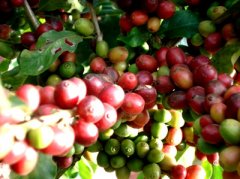
Ethiopia G1 Sidamo Coffee Bean Production Area Introduction--Xiachisuo Micro-production Sidamo Coffee
Ethiopia Shakiso Micro-Region Washed G1 Sidama Coffee Bean Details: Country: Ethiopia Grade: G1 Region: Sidama Guji Shakiso Micro-Region Roast Degree: Light Roast (First Explosion End) Processing Method: Washed Variety: Native Species Producer: Local Smallholder Flavor: Lemon, Citrus, Earl Grey, Caramel [Plant Introduction] Shakiso (Shaki
2016-03-30 Ethiopia Dharma coffee beans producing areas introduction Shakiso coffee
A brief discussion on the perennial evergreen shrubs of the genus Coffee
1. Summary: coffee is a perennial evergreen shrub or small tree of Rubiaceae. It is native to tropical Africa and has been cultivated for more than 2000 years. The Arabs began to grow coffee in 525 BC, and it was popular for Arabs to stir-fry coffee beans. They began to grow coffee beans on a large scale after the 15th century, and were widely distributed in the tropics and subtropics of Europe, Asia, Africa and Latin America after the 18th century.
2015-08-19 Talking about coffee beans coffee perennials evergreen shrubs overview grass more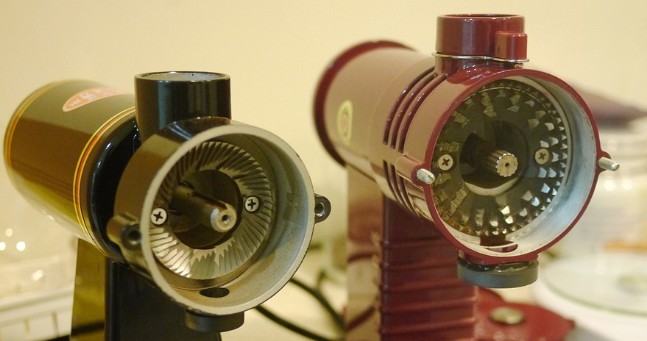
Small Fuji bean mill Rmur220 grinding speed solis 166900n Mazzer sj ghost tooth bean mill
Coffee bean English name Ethiopia OCR Sidamo-3 Kebado National Ethiopian production area Dala District (Dara Zone), Cedamo producer Cabedo Local small Farmers' Cooperative graded Grade 3 treatment method mixed with native species (Heirloom) Grinding evenness of Rmur220 from 1800 to 2200 meters above sea level needless to say, these are some of the ones I have used.
2016-07-12 Fuji Bean Mill Rmuri 220 Grinding Speed solis 166 9
Kenyan boutique coffee in East Africa the latest details of Kenyan coffee
Kenya, located in East Africa, is one of the major coffee producing countries. More than 6 million people in the country are engaged in the coffee industry, mostly in the form of a combination of small farmers and cooperatives. Coffee trees in Kenya are mostly planted at 1400 m-2000 m above sea level, and the growing areas include Ruiri, Thika, Kirinyaga and Mt. Kenya West, Nyeri, Kiambu and Muranga. With Mt.Kenya
2015-11-29 East Africa Kenya boutique coffee latest details introduction
Flavor and taste of coffee manor in Indonesia Kahayang Gan Manor
The classification will be more complicated. Some Arabica coffee beans are quite close to the native species, while others are quite similar to the Robusta species. Even if the coffee has the same name (named from the place of origin), as long as the cultivated varieties are different, the flavor is different from the leaf rust-resistant varieties found in the African Congo, teaching the Arabica species to be more resistant to the disease. People like to plant Robusta
2016-07-22 Indonesia Coffee Manor producing area Flavor Taste introduction Kaha Yanggan
Flavor description of Xidamo Shakiso producing area with endless aftertaste introduction to the characteristics of grindness varieties
The coffee in Sidamo has a variety of flavors. Different soil types, microclimates and countless native coffee species, towering mountains, highlands, plateaus, valleys and plains, diverse topography, and the geology of the area belongs to nutrient-rich, well-drained volcanic soil. the depth of the soil is nearly two meters, and the surface soil is dark brown or brown. The biggest advantage of the place is
2016-10-12 Aftertaste endless Dharma Shaquiso producing area flavor description grinding variety special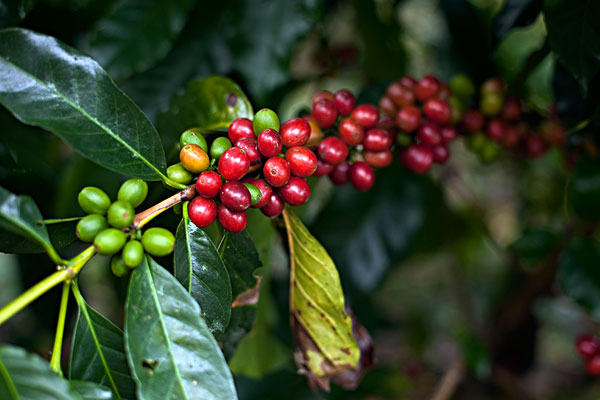
Boutique Coffee training course Pacamara Manor in El Salvador Micro-batch washing Pacamara
Variety origin Pacamara is an artificial hybrid of Pacas and Maragogype, which was first bred by Salvadoran research institutions in the 1950s (mostly 1958). The new variety is considered to be the result of the pursuit of large grain Arabica species and inherits the good characters of the parent plant. Pacas, who is of Bourbon descent, is a native variety of El Salvador.
2016-04-01 Boutique coffee training courses El Salvador Parka Mara manor batch washing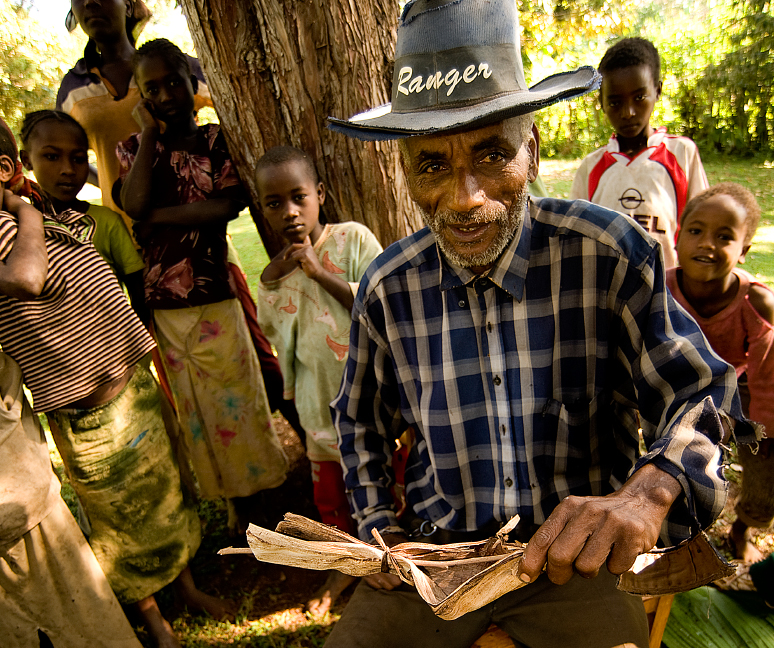
Coffee tasting: what's the difference between Arabica coffee and Roberta coffee? Sumatra, Indonesia
Arabica beans are an important kind of commercial coffee with a period of less than three years and have high-quality aroma and sour taste. Arabica coffee beans are mainly produced in South America (except parts of Argentina and Brazil), Central America, Africa (Kenya, Ethiopia, mainly East African countries), Asia (Indonesia, Yemen, India, Papua New Guinea).
2016-04-25 Coffee tasting rabbi Robesta what's the difference Indonesia Sumatra Isaya
Fresh and bright taste Ethiopian coffee plantation flavor Taste characteristics Variety introduction
Ethiopia is the birthplace of the famous Arabica coffee beans, and people have maintained the tradition of harvesting wild coffee beans. The coffee garden with an altitude of more than 1500 meters has formed a unique coffee terroir after more than a thousand years of evolution and adaptation. Ethiopian coffee grown in the natural wild environment is called wilderness coffee and retains the most primitive coffee beans.
2016-09-13 Taste Fresh Bright Ethiopian Coffee Manor Flavor Region Characteristics
Ethiopian coffee with a long aftertaste Description Variety Features Price Growing Environment Introduction
Ethiopia is the birthplace of the famous Arabica coffee bean, and the tradition of harvesting wild coffee beans has been maintained to this day. The coffee garden with an altitude of more than 1500 meters has formed a unique coffee terroir after more than a thousand years of evolution and adaptation. Ethiopian coffee grown in a natural wild environment is called wilderness coffee, retaining the most primitive and natural taste of coffee beans.
2016-09-19 aftertaste long Ethiopian coffee flavor description variety region characteristics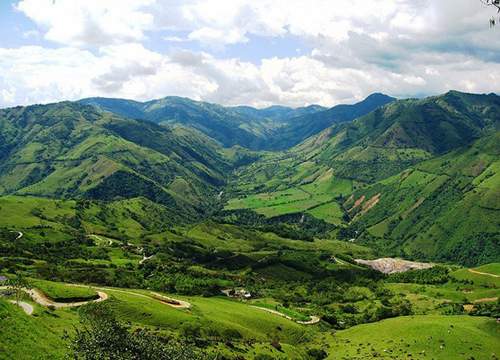
Is it Robusta or Arabica? Sun treatment of Coffee Bean Variety Xidama
Coffee has more than a hundred varieties of coffee, the more common coffee are: Arabica Arabica, outstanding personality, unique flavor, is the main force of boutique coffee, mainly used for coffee shop management and high-end coffee market supply; Robusta Robusta, rough flavor, high caffeine content, not boutique coffee, often used for instant coffee processing and Italian coffee mixed beans. Ethiopia Typi
2016-04-22 Robbs Booth or Rabbi Card seed Coffee beans Variety Biya Dharma Japan
Introduction to the flavor description and grinding characteristics of Ethiopian coffee varieties in producing areas
Grade of Ethiopian coffee: Ethiopian washed coffee Yega Chuefei G1 G2 Sidamo (Yirgacheffe, Sidamo) has the highest grades 2 and 3 (G2, G3), while sun-processed coffee in eastern Ethiopia is mostly grade 4 or 5 (G4, G5). In many cases, level 4 coffee is marked as level 5 in order to reduce taxes. At present, the classification is not uniform and there are
2016-10-14 Ethiopia Coffee Flavor description Grinding characteristics treatment Variety producing area
Wash Pacamara Pacamara iron pickup or bourbon? Iron pickup coffee beans
Iron pickup "Typica" iron pickup, the name sounds majestic and powerful, but in fact it is not so strong. It has a weak physique, poor disease resistance, easy to catch rust leaf disease, and produces less fruit. It is one of the oldest native varieties in Ethiopia, and many Arabica are derived from iron pickups! The parietal leaf of the iron pickup is bronzed, and the bean grain is large, pointed, oval or thin.
2016-04-22 Wash Pacamara Parka Mara pickup or bourbon coffee beans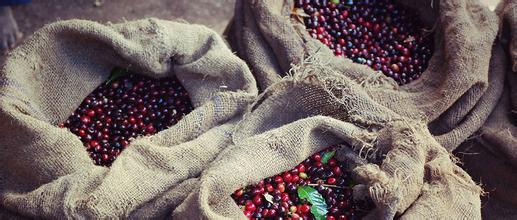
Detailed introduction of Ethiopia-Cochel kochere coffee beans
Country: Ethiopia Grade: G2 production area: Yejia Xuefei Baking degree: shallow Baking method: water washing Variety: local Native species Flavor: Jasmine fragrance, Lemon, Bergamot, Honey and Grapefruit Cochel is located in a small producing area 25 kilometers southeast of Yega Sheffield, Ethiopia. It is a rich area for coffee production, and it is also one of the three famous and micro-producing areas of Yegashafi.
2015-11-25 Ethiopia -Coe Cher kochere Coffee beans details introduction
Geographical distribution of coffee bean producing areas and planting techniques of coffee trees
Geographical distribution editors the paradise of coffee growth is mostly located in countries with alpine terrain between the Tropic of Cancer. It is native to tropical Africa and is introduced and cultivated in South and Southwest China. [2] the cultivation technology editor requires that the origin of the coffee tree [4] is in Ethiopia in Africa. In botany, the coffee tree belongs to the evergreen tree of the coffee subgenus of Rubiaceae, and the so-called coffee beans are actually
2016-06-07 Coffee beans origin geographical distribution coffee planting technology editing